
Managing Diabetes at Sea
Steamship Mutual in collaboration with Medical Rescue International (MRI).

Viktoriia Glavatska
Published: November 10, 2026
For seafarers, managing diabetes can be particularly challenging due to irregular working hours, changing watch schedules and limited access to medical care during voyages. Understanding the condition and recognising potential risks are important steps towards protecting health at sea.
Diabetes affects how your body manages glucose, the sugar used for energy. In type 2 diabetes, the body does not make enough insulin or does not use it effectively. Blood glucose can then rise too high. Over time, this can damage blood vessels and nerves, affecting the heart, kidneys, eyes and feet. Treatment and regular reviews help reduce these risks.
Recognising diabetes and understanding your blood glucose
Symptoms can include:
- Unusual thirst
- Passing urine more frequently
- Persistent tiredness
- Blurred vision
- Unexplained weight loss
- Wounds that heal slowly
They may develop gradually, and some people have no noticeable symptoms. Persistent tiredness can easily be associated with the demands of working at sea. However, if it continues or is accompanied by other symptoms, it is important to seek medical advice.
A clinician uses blood tests to diagnose diabetes and establish the appropriate treatment. A glucose meter reading can flag a problem, but it does not replace a diagnostic assessment. If a PEME identifies raised glucose, it is important to follow up with the recommended investigations rather than waiting until the next examination.
Understanding your blood glucose levels is an important part of managing diabetes.
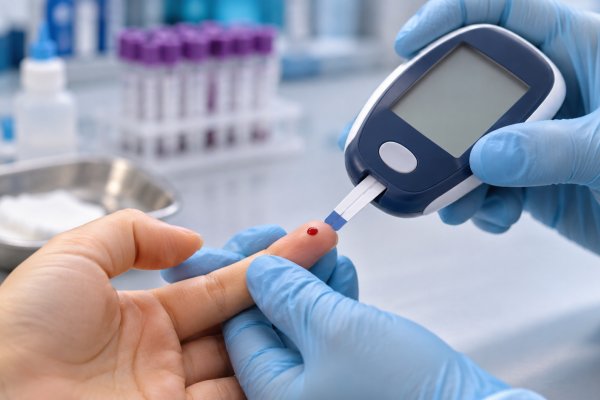
A finger-prick glucose reading shows your level at that moment. HbA1c is different: it reflects average blood glucose over roughly two to three months. Both can help your healthcare team understand your condition, but an HbA1c result cannot tell you whether you are having a low blood sugar episode right now.
Ask your clinician to explain your personal targets and how often each test is needed. Targets and monitoring depend on treatment, the risk of low blood sugar and other health conditions. Keep copies of your results, with dates and units, so another doctor can interpret them correctly.
Making monitoring practical
If regular glucose monitoring is recommended, agree when to check, what action to take and which results require medical advice. Record readings alongside relevant meals, medicine, activity and symptoms. Patterns are more useful than an isolated number without context.
Before departure, make sure you can use your equipment confidently. Pack compatible strips or sensors, lancets, batteries and any backup meter advised by your diabetes team. Follow the equipment instructions and keep supplies within their storage limits. Plan for equipment failure as well as the expected voyage length.
Eating around your watch pattern
Healthy eating does not require a separate “diabetic” menu. Aim for a varied diet with vegetables, wholegrain foods, pulses and appropriate portions of protein. Reduce frequent sugary drinks and foods high in salt or sugar. Gradual changes are often easier to maintain than a restrictive diet, particularly when you have limited control over the menu.
Practical choices might include oats at breakfast, beans or lentils with a main meal, and vegetables alongside fish or chicken. Consider portions as well as ingredients. If weight loss is recommended, agree a realistic approach with your healthcare team. Do not start a very low-calorie diet or prolonged fasting without advice, particularly when taking insulin or medicines that can cause low blood sugar.
Plan meal access around your treatment and duties. If a watch change or operational delay could interrupt a meal, discuss suitable arrangements beforehand. Where necessary, discuss suitable meal arrangements with the cook or the person responsible for catering onboard. A planned snack may be appropriate for some people, but eating frequent snacks throughout every watch is not a universal requirement. Your diabetes team can explain what fits your particular medicines and activity.
Taking treatment consistently
Diabetes medicines work in different ways. Some people need tablets, others injectable treatment or insulin. Know the name, dose and timing of each medicine and what to do if a dose is missed.
If you experience persistent side effects, seek medical advice rather than stopping your treatment without guidance. Do not take an extra dose to compensate for a missed one without following the medicine instructions or professional advice.
Before crossing time zones or changing watch patterns, ask your diabetes team how to maintain the correct timing. Discuss the journey to join the vessel as well as the voyage itself. If you use an insulin pump or glucose sensor, check the manufacturer’s travel and airport screening instructions.
Physical activity, including demanding shifts, can lower glucose, particularly when using insulin or certain tablets. Keep your recommended treatment for low blood sugar accessible and follow your agreed plan for any dose adjustments.
Heat, hydration and storage
Heat can affect glucose management and damage medicines or monitoring supplies. Insulin may be absorbed faster in warm conditions, increasing the risk of low glucose. Drink water regularly and seek advice if dehydration, illness or changing readings make your usual plan difficult to follow. Follow any individual fluid restriction.
Store insulin according to the specific product instructions; requirements differ before and after first use. Protect it from excessive heat and freezing. Confirm that suitable storage is available during travel and on the vessel and keep medication accessible in your hand luggage when flying. Check storage instructions for tablets and devices too.
Recognising low blood sugar
A “hypo” usually means glucose below 4 mmol/L. Warning signs include shaking, sweating, hunger, palpitations, dizziness or confusion. Severe episodes can cause seizures or unconsciousness.
If you develop symptoms, stop the task, make yourself safe and tell someone. Check glucose if possible, but do not delay treatment when a hypo is suspected. Avoid continuing machinery operation, work at height or another hazardous duty while affected.
Treating a hypo when you can swallow safely
- Take your agreed amount of glucose treatment or sugary drink. Sugar-free drinks will not work.
- Recheck glucose after 10 to 15 minutes. If it remains below 4 mmol/L, repeat treatment and check again.
- When glucose exceeds 4 mmol/L and symptoms improve, have a longer-lasting carbohydrate snack or your next meal.
- Seek advice for incomplete recovery or repeated episodes.
When someone needs emergency help
For unconsciousness, seizures or unsafe swallowing, give nothing by mouth and activate emergency procedures. If unconscious but breathing normally, use the recovery position and stay with them. If not breathing normally, begin resuscitation according to your training and emergency instructions. Glucagon may be given by someone trained to use it.
The Master or the crew member designated to provide medical care onboard should know where emergency supplies are kept and how to obtain help. Discuss a discreet, practical arrangement before sailing. This preparation is especially important for anyone whose treatment carries a risk of hypoglycaemia.
Illness needs a separate plan
Infections, vomiting or diarrhoea can disrupt diabetes even when you are eating less. Blood glucose may rise during illness, while poor intake can also increase the risk of low glucose with some medicines. Ask for written “sick day” instructions before departure, including monitoring, hydration, ketone testing where appropriate and when to seek help.
The instructions must be specific to your medicines. Some tablets may need to be paused during dehydration or vomiting; insulin must not simply be stopped because you cannot eat. Obtain advice on the correct action and any dose adjustment. Seek medical advice promptly through the vessel’s medical arrangements if you cannot keep fluids down, have repeated vomiting, or cannot follow your treatment plan.
High glucose and serious warning signs
Seek urgent advice if glucose remains unusually high despite following your plan, or if you are becoming unwell. Vomiting, abdominal pain, deep or rapid breathing, fruity-smelling breath, marked drowsiness or confusion can indicate diabetic ketoacidosis, a potentially life-threatening emergency. It is more common in type 1 diabetes but can occur in type 2 diabetes. Do not wait for every symptom or delay help because you cannot test ketones.
At sea, alert the designated person responsible for medical care and use the vessel’s emergency arrangements. Ashore, contact local emergency services for severe symptoms. Give the medical adviser your readings if available, medicines, recent doses and symptoms.
Preparing for sea and your PEME
A review before departure gives time to resolve treatment problems and arrange supplies. Discuss the length and location of your voyage, your duties, meal access and how quickly medical help could be reached. Bring these practical details to your diabetes appointment and PEME.
Carry an up-to-date medicine list, recent results and relevant clinical reports.
- Arrange enough medicine and monitoring supplies for the voyage, with an agreed contingency for delays.
- Confirm storage, access to meals, drinking water and any required monitoring.
- Have written plans for low glucose, illness and readings outside your personal range.
- Know how to obtain onboard medical help and shore-based advice.
- Arrange follow-up and screening around your sailing schedule.
- Check your feet daily, report any new wounds or signs of infection promptly, and attend regular professional foot checks and diabetic eye screening.
Tell the examining doctor about your diagnosis, treatment, any severe or recurrent hypos, and complications affecting vision, sensation or circulation. Bring accurate records rather than withholding problems in the hope of obtaining clearance. Treatment changes or a significant deterioration may require reassessment before returning to sea.
Fitness depends on the applicable flag-state standards, your condition, duties, voyage and access to care. A diagnosis alone, or a single satisfactory blood result, does not settle the decision. Insulin treatment needs particular consideration because of monitoring and hypo risk. The authorised examining doctor must assess suitability and any restrictions.
Conclusion
Managing diabetes at sea requires awareness, preparation and consistent care. Early detection, regular medical reviews and appropriate support onboard can help seafarers manage their condition and reduce the risk of complications. Protecting crew health is a shared responsibility, supported by informed decisions, effective communication and access to appropriate medical care.
Acknowledgement
We would like to acknowledge Celeste Pereira, Operations and HR Manager at MRI, and sincerely thank her for sharing her valuable medical insights and contributing to the preparation of this article.