
Enclosed Spaces – Safety and Risk Management

Ilias Kioukioulakos
Published: August 25, 2026
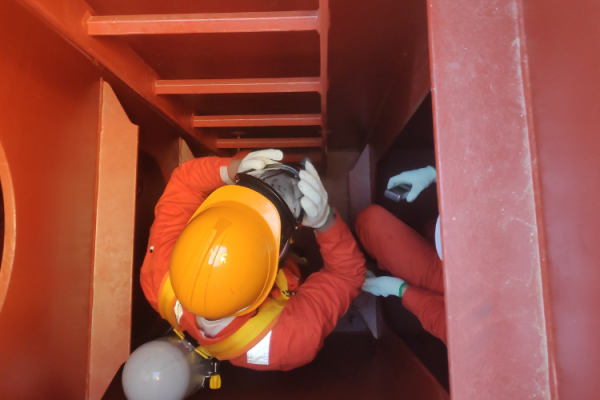
Enclosed space entry remains one of the most serious and persistent risks facing seafarers. Despite increased industry awareness, training and regulatory requirements, fatalities continue to occur, often during tasks that crews may have carried out many times before.
One of the challenges is that an enclosed space may not appear hazardous. A ballast tank, cargo hold, void space, chain locker or other confined compartment can look safe to enter, while potentially dangerous conditions, including oxygen deficiency, toxic gases or flammable atmospheres, may exist within.
Enclosed space incidents can also result in multiple casualties. In some cases, crew members attempting to rescue a colleague have entered the space without appropriate precautions and become casualties themselves. This highlights the importance of following established entry and rescue procedures every time, regardless of how familiar or routine the task may appear.
Enclosed space entry should never become a routine administrative exercise. Proper risk assessment, atmosphere testing, ventilation, communication, supervision and emergency preparedness remain essential before and throughout every entry.