
North Korea: Impact of Latest UN, EU and US Sanctions
Steamship Mutual
Published: January 15, 2018
Background
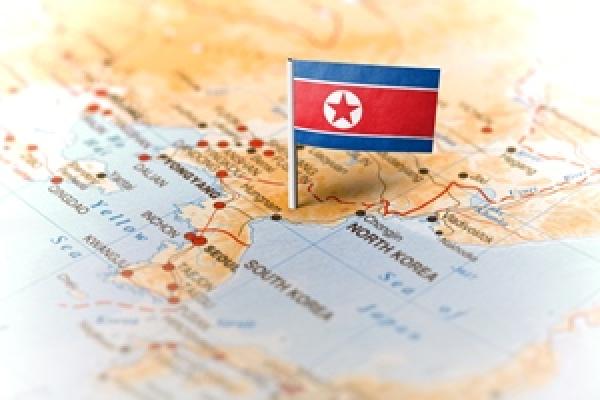
North Korea withdrew from the Nuclear Non-Proliferation Treaty in 2003 and conducted its first nuclear tests in 2006. Since Kim-Jong-un became leader of North Korea following the death of his father in 2011, there has been a determined effort by the new leader to make North Korea a nuclear power, and this has been met by steadily increasing sanctions from the United Nations,, European Union and the United States.
Response from UN, EU, US and Others
To date, the UN Security Council (UNSC) has passed nine rounds of sanctions against North Korea since its first nuclear test. The scope of UN sanctions has steadily increased, and now include:
Prohibitions on trade in arms and military equipment, dual-use technology, and certain industrial machinery and metals;
- Asset freezes for individuals engaged in assisting North Korea’s nuclear program;
- A ban on export of a wide range of goods including coal, textiles, minerals, and certain food and agricultural products;
- A cap on export of oil and refined petroleum products and an outright ban on natural gas.
The European Union has adopted in most part the UN sanctions, and also their own sanctions, including:
- a total ban on EU investment in North Korea, in all sectors;
- a total ban on the sale of refined petroleum products and crude oil to North Korea.
The United States has also imposed unilateral sanctions on North Korea, which include asset freezes against a much larger list of individuals and businesses than UN sanctions. Like the UN, the US sanctions are targeted against development of missile and nuclear technology but are also in response to cyber-attacks against US companies purported to have been carried out by North Korea, The United States has targeted Chinese banks and companies, and Russian firms and individuals. It has also fined companies for violating US export controls against North Korea.
South Korea has generally adopted a conciliatory approach but has also imposed sanctions against North Korea. In 2015 South Korea banned North Korean ships from South Korean waters and halted North-South economic and cultural exchanges. In November and December 2017, South Korean customs seized vessels suspected of supplying oil to North Korea in violation of UN sanctions.
Japan has imposed a wide range of freezes against North Korean individuals and companies, and imposed a ban against the entry of North Koreans into Japan.
Impact on Shipping
There is not a vast amount of international trade involving North Korea, with China accounting for ninety per cent of North Korea’s trade.
The international sanctions targeting coal and textiles are likely to have a significant impact upon the amount of international money flowing into North Korea. The UN restrictions (and EU ban) against exports of oil and petroleum products are also expected to have a detrimental effect upon the North Korean regime and economy, assuming that they are effectively enforced by UN States.
These areas, along with the vast number of asset freezes, create an obvious need for heightened due diligence for shipping companies. The UN measures specifically prohibit the use of ships flagged in a UN member state to conduct prohibited trade, as well as individuals and companies registered or located in a UN Member State. The UN measures also require Member States to inspect vessels, with the consent of the relevant flag State, if there are reasonable grounds to believe that the vessels are carrying cargo prohibited under a relevant UN Resolution.
As well as the vessel seizures by South Korea customs in November 2017 referred to above, the UN has in January 2018 reported that Russian and Chinese tankers have in recent months supplied fuel to North Korea in contravention of UN prohibitions. The UN reports that the Russian vessels are operating out of Russian Far Eastern ports.
Members are reminded that sanctions exclusions in the Steamship Mutual terms of entry could impact upon the availability of cover in the event of claims having a nexus with North Korea. Members are therefore advised to conduct heightened due diligence where there is a risk that their vessels could be employed in trade involving North Korea.
The Managers will endeavour to keep Members updated of developments in this fast-changing area. Further information concerning North Korea sanctions is published on the Steamship Mutual website at this link: Steamship Mutual North Korea Sanctions.
Please refer any queries concerning North Korea sanctions to your usual Syndicate contacts.