
Marine Lubricants: A Hidden Seaworthiness Risk
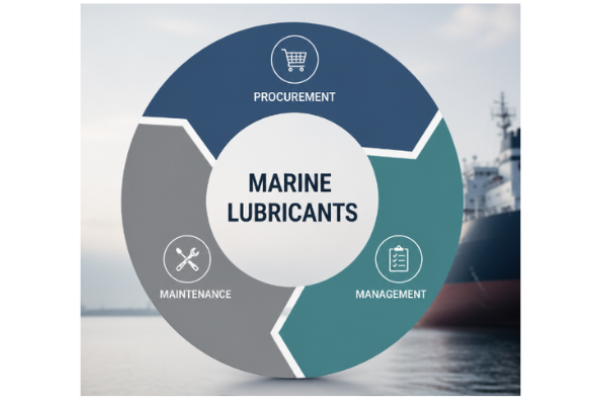
This Risk Alert highlights the importance of exercising due diligence in the procurement and onboard management of marine lubricants, particularly in the context of potential supply chain disruptions.

Gilmark DMello
Published: May 05, 2026
Marine lubricants are vital for the functioning of a vessel’s propulsion, power generation, and auxiliary machinery. Inadequate lubrication can result in increased wear, reduced performance, or even catastrophic failures of critical machinery, thereby directly affecting the vessel’s safety and operational reliability.
During service, marine lubricants are subject to degradation and consumption, influenced by mechanical stress, thermal cycles, and exposure to contaminants. Consequently, there is a constant need either to replenish or completely replace these lubricants to sustain optimal machinery performance and reliability. In anticipation of these replenishment and replacement needs, lubricant stocks are maintained on board vessels. These stocks must be monitored and replenished to maintain adequate onboard supplies throughout the voyage and safeguard machinery reliability, thereby ensuring the vessel’s seaworthiness.
Where the non-availability or quality of lubricants is determined as the proximate cause of a casualty, a Ship Owner is likely to face questions as to the seaworthiness of the vessel and whether due diligence had been exercised, especially if the vessel commenced the voyage with insufficient lubricant stock or had knowledge of the deteriorated state of the in-service lubricant. This underscores the need to integrate these considerations within the Planned Maintenance System (PMS) and the Lubricant Management Plan (LMP), supported by robust procurement practices and contingency planning.