Celebrating 50 years in Bermuda
This year Steamship Mutual celebrated the 50th anniversary of the Club’s arrival in Bermuda in 1975.

Patrick Britton
Published: November 17, 2025
In 1975 the Club’s tonnage had expanded with a large international membership leaving behind its historic position as an insurer of UK based shipowners before the Second World War. The underwriting currency was the Pounds Sterling, which was under severe pressure and maintaining a depreciating calls currency was undesirable. UK Exchange Control Regulations then in force were another major problem. The Managers had to make daily applications to the Bank of England for foreign remittances. On top of this was the tax situation. Even though the Club was non-profit making, from 1965 Corporation Tax was charged on dividends, interest and capital gains on investments.
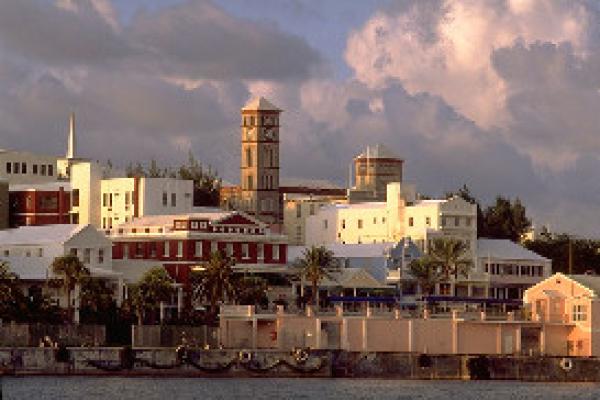
As 95% of the Members were non-UK residents, the Club assessed its options for expansion outside the UK. Bermuda, having been a Crown colony since 1684, was the preferred option for the Board.
The Steamship Mutual Underwriting Association (Bermuda) Limited became operational on 20 February 1975 from which time most of the tonnage which had been entered in SSM London transferred to SSM Bermuda, and the fiscal currency of the Club became US dollars.
1975 marked the completion of the Club’s transition from a small regional English mutual to a global business. The Bermuda business model proved to be resilient, and the Club has a well-earned strong relationship with the Bermudan authorities.
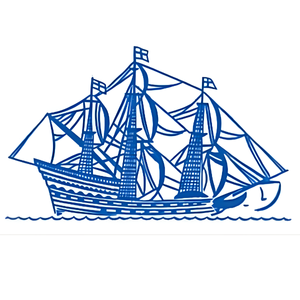
As a symbol of our proud links to Bermuda, Steamship’s newsletter for Members is named after the ship “Sea Venture” which is depicted on the Bermuda Coat of Arms. Sir George Somers’ ship ran aground on a Bermudan reef in 1609 after surviving a hurricane. Their tale was the inspiration for Shakespeare’s play “The Tempest ”, and they were the first settlers in Bermuda. From the wreck was built a smaller ship, “Deliverance”, in which some of the passengers and crew continued their voyage to Jamestown, Virginia.